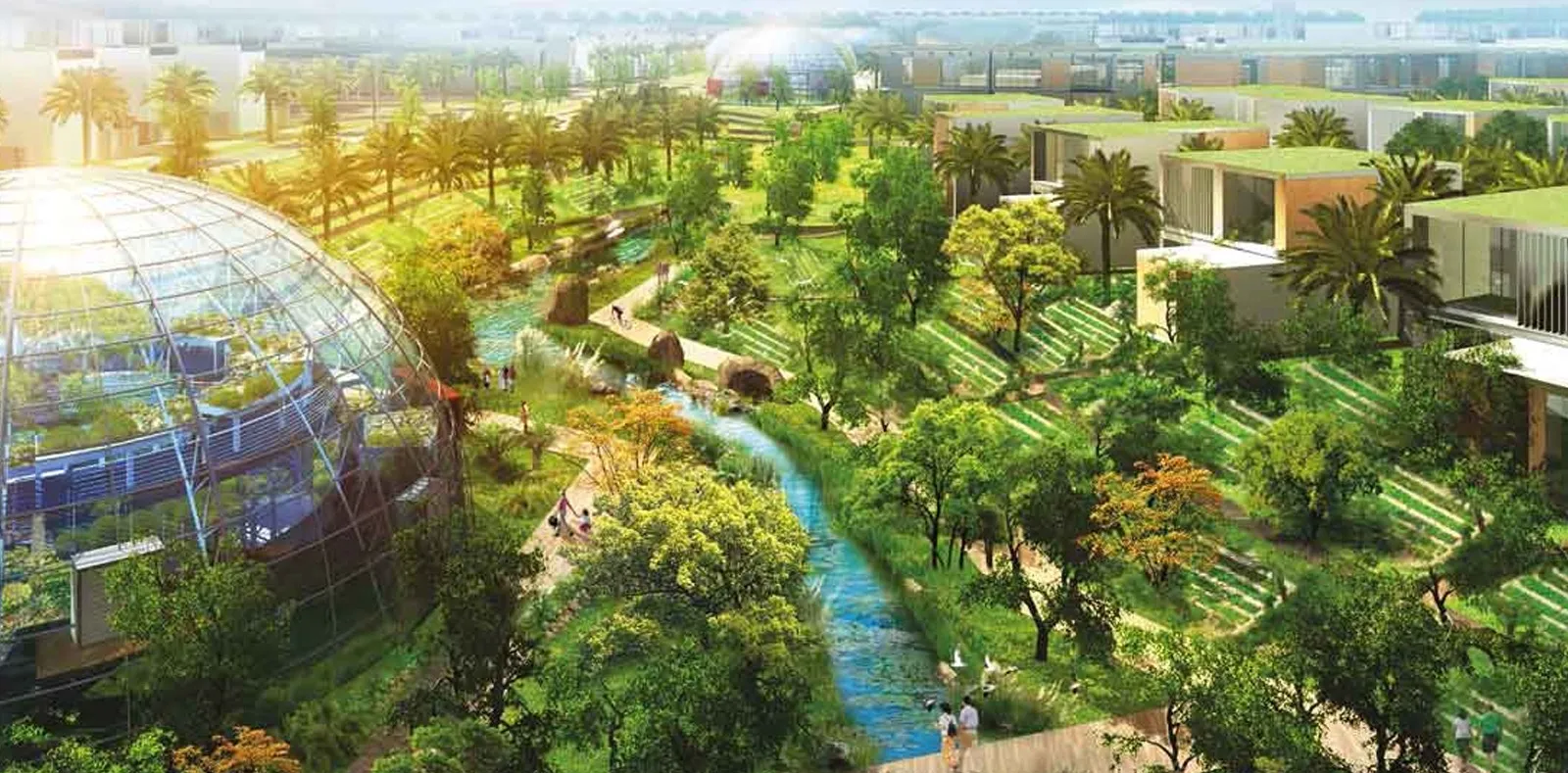
Axurbain Future of Smart and Sustainable Urban Living
Urban living is transforming at an unprecedented rate. Cities are no longer just bustling metropolises; they are becoming smarter, greener, and more connected than ever before. As we step into a future that is increasingly reliant on technology and sustainability, the way we live in cities is undergoing a profound shift. With the rise of smart homes, eco-friendly infrastructure, and innovative designs, cities are redefining how we experience urban spaces. In this context, Axurbain brings a fresh perspective on the latest developments, offering insights into how these changes are reshaping our environment.
The future of urban living is marked by the intersection of technology and sustainable practices. Cities are no longer just about space; they are about creating environments that enhance the quality of life for all who live in them. At the forefront of this transformation is Axurbain, a media hub that explores how architecture, design, and urban living converge to create more livable, efficient, and sustainable cities.
Key Drivers of Urban Change: Axurbain Explores Population Growth, Technology, and Sustainability
As cities expand, the key drivers of urban change have become more apparent. Population growth, technological advancements, and sustainability efforts are shaping the future of urban living, and Axurbain provides an in-depth look at how these forces interact.
Population Growth: With the global population increasingly gravitating toward urban areas, the demand for efficient housing, transportation, and resources is at an all-time high. Axurbain highlights how cities are addressing this growing challenge through innovative urban planning and design.
Technological Advancements: Technology has become a powerful tool in urban development. From IoT-enabled buildings to AI-driven traffic management, Axurbain explores the cutting-edge technologies that are making cities smarter and more efficient.
Sustainability: The push for sustainability is perhaps the most urgent driver of urban change. Axurbain focuses on how cities are integrating green spaces, renewable energy sources, and sustainable building practices to reduce their environmental impact and improve residents’ quality of life.
Axurbain’s Focus on Urban Architecture: Designing for Function, Aesthetics, and Sustainability
Architecture has always played a vital role in defining the character of a city. Today, it goes beyond aesthetics, focusing on creating functional spaces that promote sustainability and foster community. Axurbain takes a closer look at how architecture is adapting to the needs of modern urban life.
Sustainable Architecture: Designing Cities with Axurbain’s Green Principles
Sustainability in architecture is no longer optional; it’s a necessity. Axurbain explores how the integration of green building materials, energy-efficient systems, and renewable energy sources are reshaping the way cities are built.
Energy-Efficient Building Designs: Many modern buildings are designed with energy efficiency in mind. Axurbain delves into the role of high-performance insulation, energy-efficient windows, and smart thermostats in reducing a building’s energy consumption.
Green Roofs and Vertical Gardens: Urban areas are becoming greener with the introduction of green roofs and vertical gardens. These features not only help with insulation but also improve air quality, provide recreational spaces, and reduce the urban heat island effect. Axurbain highlights the growing trend of incorporating green spaces into city design.
Smart Infrastructure: Axurbain also explores the integration of smart technologies in urban infrastructure, such as automated lighting and heating systems that reduce energy consumption and enhance comfort for residents.
Community-Focused Architecture: Axurbain’s Vision of Inclusive Urban Spaces
Today’s urban design is increasingly focused on creating spaces that foster community interaction. Axurbain discusses how mixed-use developments and public spaces contribute to building stronger communities.
Public Spaces for Social Interaction: Parks, plazas, and community gardens are being integrated into urban design to encourage socializing and community engagement. Axurbain emphasizes the importance of these spaces in fostering a sense of belonging and improving the overall urban experience.
Mixed-Use Developments: The trend of mixed-use developments, which combine residential, commercial, and recreational spaces, is gaining popularity. Axurbain explains how these developments reduce the need for long commutes and create more vibrant, walkable communities.
Sustainability in Urban Living: Axurbain’s Guide to Building Greener, More Efficient Cities
As sustainability becomes a primary focus for urban planners and developers, cities are adopting greener practices to reduce their environmental footprint. Axurbain provides insights into how cities are integrating sustainable features to create healthier and more livable environments.
Energy-Efficient Urban Living: How Axurbain Is Leading the Way
Energy efficiency is key to sustainable urban living, and Axurbain dives deep into the technologies and practices that make buildings more energy-efficient. From solar-powered buildings to smart grids, Axurbain examines how cities are becoming more self-sufficient and reducing their reliance on non-renewable resources.
Smart Grids and Renewable Energy: Axurbain explores how smart grids are optimizing energy use in cities, balancing energy demand with renewable energy sources. These smart grids help reduce energy waste and ensure a more reliable and sustainable energy supply.
Passive Design Techniques: Cities are adopting passive design techniques that minimize the need for artificial heating and cooling. Axurbain looks at how these techniques contribute to energy savings and the long-term sustainability of urban spaces.
Waste Management and Circular Economy: Axurbain’s Vision for Sustainable Cities
Efficient waste management is another essential aspect of sustainability. Axurbain explores the role of the circular economy in reducing waste and promoting recycling and reuse in urban environments.
Zero-Waste Initiatives: Many cities are now embracing zero-waste initiatives, with Axurbain highlighting successful examples such as San Francisco’s commitment to diverting 100% of waste from landfills through recycling and composting programs.
Waste-to-Energy Technologies: Axurbain also examines how cities are adopting waste-to-energy technologies to reduce landfill waste and convert it into renewable energy, creating a more sustainable waste management system.
AI and Technology in Urban Planning: Axurbain’s Guide to Smart, Data-Driven Cities
Artificial intelligence and other technological advancements are revolutionizing urban planning. With the ability to process vast amounts of data, AI is helping cities optimize everything from transportation to public safety. Axurbain provides an in-depth look at how AI is transforming the way cities are designed and managed.
AI-Powered Urban Management: Enhancing City Efficiency with Axurbain
AI is making urban management more efficient and responsive. Axurbain explores how AI-driven systems are optimizing traffic flow, reducing energy consumption, and improving waste management in cities.
Traffic Management: AI can analyze traffic patterns and adjust traffic signals in real time, helping to reduce congestion and improve public transport efficiency. Axurbain highlights the role of AI in improving urban mobility and reducing travel times.
Resource Management: Axurbain looks at how AI is being used to optimize resource allocation in cities, such as energy use, water distribution, and waste collection, making urban systems more efficient and sustainable.
Public Engagement and AI in Urban Planning: Axurbain’s Approach to Inclusive Cities
AI is also playing a significant role in enhancing public engagement in urban planning. Axurbain discusses how AI-powered platforms allow residents to participate in the planning process, providing valuable feedback and promoting transparency.
Predictive Urban Development: AI can predict the impact of new developments on urban resources and infrastructure, allowing cities to plan more effectively. Axurbain explores how predictive tools are helping cities design smarter, more sustainable environments.
Urban Lifestyle Trends: Shaping the Future of City Living with Axurbain
As cities evolve, so too does the lifestyle of their inhabitants. Urban living is being shaped by changing social norms, technological advancements, and a growing focus on sustainability. Axurbain offers insights into the latest lifestyle trends that are defining modern urban living.
Co-Working Spaces: Axurbain’s Guide to the Future of Work
Co-working spaces are transforming the way people work in cities. These shared environments provide flexibility, collaboration, and a sense of community. Axurbain explores how these spaces are becoming integral to urban life.
Networking and Collaboration: Co-working spaces foster creativity and collaboration, offering professionals a chance to connect, share ideas, and network. Axurbain highlights the role of these spaces in shaping the future of work.
Affordable Solutions for Startups: Axurbain explains how co-working spaces provide affordable office solutions for startups, freelancers, and remote workers, making them an essential part of modern urban economies.
Smart Homes: Axurbain’s Look at the Future of Urban Living
Smart homes are becoming a key feature of modern urban living, providing convenience, security, and energy efficiency. Axurbain examines how these homes are changing the way people interact with their urban environments.
Home Automation: Smart home systems allow residents to control everything from lighting and security to temperature and appliances with ease. Axurbain discusses how these technologies improve convenience and energy efficiency.
Energy Savings and Sustainability: With the integration of smart technologies, homes are becoming more energy-efficient, helping residents reduce their energy consumption and carbon footprint. Axurbain explains how these innovations contribute to more sustainable urban living.
FAQs About Axurbain
What makes a city “smart”?
A smart city uses technology, such as IoT and AI, to improve urban management and services. These technologies help optimize everything from traffic flow to waste management and energy consumption.
How can I make my home more sustainable in the city?
You can make your home more sustainable by using energy-efficient appliances, incorporating green building materials, and implementing waste reduction practices like composting and recycling.
Why are green spaces so important in urban areas?
Green spaces improve air quality, reduce the urban heat island effect, provide recreational areas, and promote mental well-being, all of which are essential in densely populated cities.
How is AI used in urban planning?
AI helps urban planners optimize traffic, resource management, and public engagement. It processes vast amounts of data to predict trends and make cities more efficient and livable.
What are co-working spaces and why are they becoming popular?
Co-working spaces are shared office environments that offer flexibility, collaboration, and affordable solutions for freelancers and small businesses. They are becoming essential for modern urban workers.
Conclusion
As cities continue to grow and evolve, the integration of technology, sustainability, and innovative urban planning is shaping the future of urban living. Axurbain provides valuable insights into how these changes are transforming cities into smarter, greener, and more livable environments. With the right focus on sustainability, technology, and community, urban spaces can provide a higher quality of life for all residents, ensuring a brighter and more efficient future for cities worldwide.