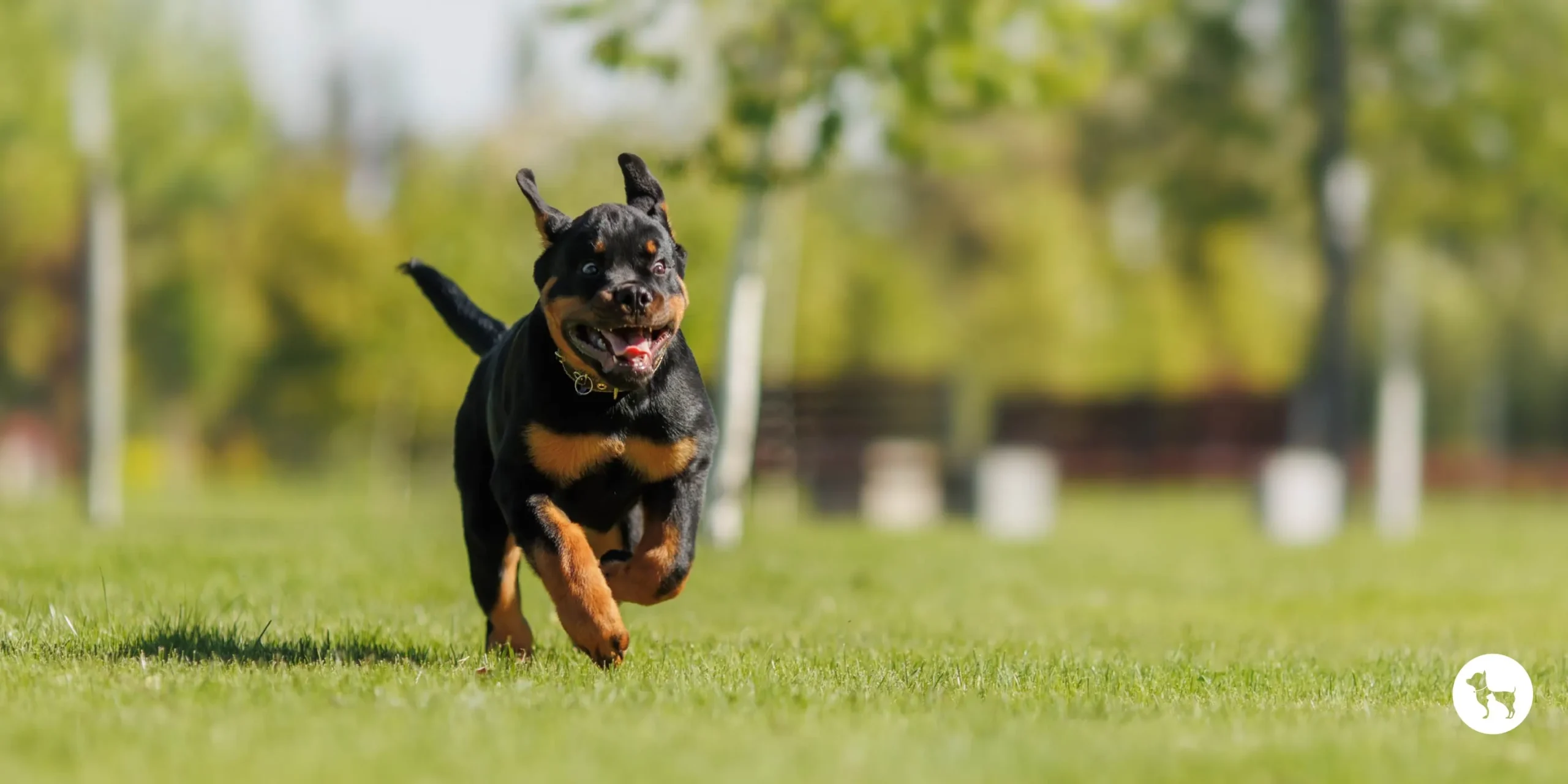
Rodwajlery Rottweiler Full History, Training, Diet & Care
Rodwajlery, more commonly known as Rottweilers, are one of the most well-known and beloved dog breeds in the world. These dogs are not only known for their muscular strength but also for their intelligence, loyalty, and protective nature. With a rich history stretching back over 2,000 years, Rodwajlery have earned a reputation as one of the most versatile and reliable breeds. This detailed guide explores the Rodwajlery breed in-depth, covering everything from its ancient origins to its modern-day roles as family pets and working dogs.
The Fascinating History of Rodwajlery
Rodwajlery, or Rottweilers, have a long and storied history. Their origins can be traced to ancient Roman times when they were bred for specific tasks like herding livestock, protecting military camps, and guarding goods during long journeys. Over the centuries, their roles and importance have evolved, making them the well-loved dogs they are today.
Roman Military Dogs: The First Working Dogs
The Rodwajlery’s journey begins with the Roman Empire, where large, mastiff-like dogs were essential to the military. These early dogs helped Roman soldiers with herding livestock, protecting the army’s supplies, and guarding encampments while traveling across Europe. They were known for their loyalty, strength, and ability to withstand difficult conditions, which made them the perfect companions for Roman legions.
The Birth of Rottweil and the Evolution of the Breed
As Roman legions moved through southern Germany, they passed through the town of Rottweil. Here, their dogs mixed with local herding breeds, resulting in the creation of the Rottweiler Metzgerhund, also known as the “Butcher’s Dog of Rottweil.” This breed played a crucial role in Rottweil’s economy by helping merchants herd cattle, protect valuables, and pull carts laden with meat. The modern-day Rodwajlery is a direct descendant of these early working dogs.
The Decline and Renaissance of Rodwajlery
In the 19th century, the rise of railways led to a decline in the need for herding dogs, and Rodwajlery nearly faced extinction. However, their remarkable intelligence, strength, and loyalty ensured that they found new roles in law enforcement and protection. By the 20th century, the breed experienced a resurgence when it was officially recognized as a service dog by German police in 1910. This resurgence led to the creation of the Allgemeiner Deutscher Rottweiler Klub (ADRK) in 1921, which helped promote and preserve the breed.
Rodwajlery’s Physical Features: Strength, Stamina, and Beauty
Rodwajlery are known for their robust and muscular build, which makes them one of the most physically powerful breeds. These dogs are not only built for strength but also possess a graceful and dignified appearance. Their physical traits have been honed over centuries to enable them to perform various tasks, from herding and guarding to police and rescue work.
Imposing Size and Muscular Build
Rodwajlery are large, muscular dogs, with males weighing between 95 and 135 pounds (43–61 kg), and females ranging from 80 to 100 pounds (36–45 kg). They typically stand between 22 to 27 inches (56–69 cm) tall at the shoulder, giving them a commanding presence. Their muscular build and broad chest are designed to support their strength and stamina, allowing them to excel in a variety of physically demanding tasks.
Distinctive Coat and Rust-Colored Markings
Rodwajlery have a short, dense double coat that is primarily black with characteristic rust-colored markings on the eyebrows, muzzle, chest, and legs. This striking coat gives them a unique look, contributing to their recognition worldwide. Their coat requires minimal maintenance but should be brushed regularly to manage shedding, especially during seasonal changes.
Eyes, Expression, and Tail
Rodwajlery have dark, almond-shaped eyes that reflect their intelligence and alertness. Their strong, confident expression is a reflection of their protective and loyal nature. While tail docking was once common, many modern Rodwajlery are seen with their natural tails, which contribute to their expressive body language. The natural tail allows owners to better read their dog’s emotions, enhancing communication and bonding.
Temperament of Rodwajlery: Calm, Loyal, and Protective
Rodwajlery are known for their calm and steady temperament. Despite their muscular and intimidating appearance, they are affectionate and gentle with their families. Their temperament is one of the key reasons they are so highly regarded as both family pets and working dogs.
Deep Loyalty and Affection for Their Family
Rodwajlery are deeply loyal to their families and form strong bonds with their owners. Once they accept you as part of their pack, they will fiercely protect you. This loyalty extends beyond protection; they are affectionate, loving, and seek to stay close to their families. Their bond with their human companions is one of the most defining aspects of their personality.
Calm Demeanor Under Pressure
Despite their imposing size, Rodwajlery are known for their calm demeanor. They are able to assess situations without overreacting, making them excellent service and therapy dogs. Their composed nature allows them to work in stressful environments, such as law enforcement, without becoming overly excited or aggressive.
Natural Protective Instinct
Rodwajlery are naturally protective of their home and loved ones. They have a strong instinct to guard their family, which makes them excellent guard dogs. However, their protective behavior should not be mistaken for aggression. With proper training and socialization, they learn to differentiate between real threats and harmless situations, allowing them to be both protective and well-behaved.
Training Rodwajlery: Firm, Consistent, and Positive Reinforcement
Training is essential for a Rodwajlery to become a well-adjusted, well-behaved dog. These dogs are highly intelligent and eager to please, but they also possess a strong independent streak, which means they need a handler who can provide clear, consistent leadership.
Socialization: Setting the Foundation for Good Behavior
Socialization is key for Rodwajlery puppies. Exposing them to a variety of people, environments, sounds, and situations at an early age helps them become confident and well-adjusted adults. Proper socialization prevents fear-based aggression and helps them develop positive behavior patterns, making them easier to train and handle in the future.
Obedience Training: Building a Strong Foundation
Rodwajlery are quick learners and enjoy training, especially when positive reinforcement is used. Basic obedience training should include commands such as “sit,” “stay,” “come,” and “heel.” Using treats, praise, and toys to reward good behavior helps reinforce these commands. Training should be consistent and progressive, with patience and encouragement as key components.
Advanced Training for Specific Roles
Rodwajlery excel in advanced training due to their high intelligence and strong drive to work. They can be trained for a variety of tasks, including agility, scent detection, and protection. Many Rodwajlery also serve in therapy and service dog roles, providing emotional support and assistance to people with disabilities. Engaging them in advanced training helps channel their energy and intelligence into positive behaviors and tasks.
Exercise Needs of Rodwajlery: Keeping Them Fit, Happy, and Healthy
Rodwajlery are an active breed that requires regular physical exercise and mental stimulation to maintain their health and happiness. Their working dog background means they thrive when given ample opportunities for both physical and mental challenges.
Daily Exercise Requirements
Rodwajlery need at least one to two hours of physical exercise every day to stay healthy and fit. Activities such as long walks, jogging, hiking, and playing fetch are great ways to keep them active. Rodwajlery enjoy vigorous play and thrive in environments where they can burn off energy in a safe and structured way.
Mental Stimulation: Keeping Their Minds Sharp
In addition to physical exercise, Rodwajlery need mental stimulation to stay engaged. Puzzle toys, scent detection games, obedience training, and even interactive play can help keep their minds sharp. Without mental stimulation, they can become bored and may develop destructive habits. Keeping their minds active is just as important as physical exercise for their overall well-being.
Signs of Insufficient Exercise
If Rodwajlery do not receive enough exercise, they may exhibit signs of boredom, such as chewing, barking, digging, or pacing. These behaviors are often a result of pent-up energy, which can be avoided by providing them with regular exercise and mental challenges.
Diet and Nutrition for Rodwajlery: Fueling Their Strength and Health
A balanced diet is crucial to keeping Rodwajlery healthy and strong. Due to their muscular build and active lifestyle, they require a diet that supports their energy needs and maintains their muscle mass.
High-Protein Diet for Muscle Maintenance
Rodwajlery need a high-quality, protein-rich diet to maintain their muscle mass and strength. Protein is essential for muscle repair and growth, especially for active dogs. Look for dog foods that list meat as the primary ingredient and avoid foods with excessive fillers.
Balanced Diet for Overall Health
In addition to protein, Rodwajlery need a balanced diet with healthy fats, carbohydrates, and essential vitamins and minerals. Omega fatty acids are particularly important for maintaining healthy skin and a shiny coat. A well-rounded diet supports overall health, including the immune system and organ function.
Portion Control to Prevent Obesity
Rodwajlery are prone to obesity, especially if overfed. It is important to control their portions to prevent weight gain. Follow the feeding recommendations provided by your veterinarian and adjust as necessary based on their age, weight, and activity level. Avoid feeding them table scraps, as this can contribute to unhealthy weight gain.
Health Concerns in Rodwajlery: Managing Risks and Preventing Issues
Like many large breeds, Rodwajlery are prone to certain health issues, including joint problems, heart conditions, and bloat. Staying proactive with veterinary care can help detect and manage these conditions before they become serious.
Hip and Elbow Dysplasia
Rodwajlery are susceptible to hip and elbow dysplasia, which affects the joints and can lead to arthritis or mobility problems. Regular veterinary checkups and maintaining a healthy weight can help reduce the risk of these conditions. If you notice symptoms such as stiffness or difficulty getting up, it’s important to seek veterinary advice.
Bloat
Bloat is a life-threatening condition where the stomach twists and causes a blockage of blood flow. This condition is more common in deep-chested dogs like Rodwajlery. It requires immediate medical attention. Preventative measures, such as not allowing your dog to exercise immediately after meals, can help reduce the risk.
Heart Conditions
Rodwajlery can also suffer from heart conditions such as aortic stenosis and cardiomyopathy. These conditions affect the heart’s ability to function properly. Regular screenings and a healthy lifestyle are essential for managing heart health. Symptoms such as coughing, fatigue, and difficulty breathing should be checked by a vet.
Rodwajlery as Family Companions: Loyalty, Protection, and Misunderstood Myths
Rodwajlery are often misunderstood due to their strong protective instincts and imposing size. However, with the right training and care, they make excellent family dogs. Their loyalty, affection, and protective nature are what make them truly unique.
Protective Nature Without Aggression
Rodwajlery are naturally protective, and this instinct makes them great guard dogs. However, they are not inherently aggressive. With proper training, they are able to differentiate between normal situations and genuine threats, ensuring they remain well-behaved and balanced in family settings.
Affectionate and Gentle Companions
Rodwajlery may appear intimidating due to their size, but they are known for their affectionate nature. They form deep bonds with their families and are especially gentle with children. Their loyalty and devotion to their owners make them ideal companions for active families.
The Role of Early Socialization
The key to a well-behaved Rodwajlery is early socialization. Exposing your dog to different people, animals, and environments as early as possible helps prevent aggressive behaviors and ensures they grow up to be confident, calm, and well-adjusted.
Choosing a Rodwajlery Puppy: A Responsible Guide
Selecting a Rodwajlery puppy requires careful consideration. To ensure that your new companion grows into a healthy and well-behaved dog, it’s important to choose a reputable breeder or consider adoption from a rescue organization.
Breeder vs. Rescue: Making the Right Choice
If you decide to buy from a breeder, ensure they are ethical and responsible. Ask for health screenings for the puppy’s parents and verify the breeder’s credentials. Alternatively, adopting from a rescue can provide a wonderful opportunity to give a dog a second chance at a loving home.
Socialization and Early Life Experiences
Whether from a breeder or a rescue, it’s crucial that the puppy has been properly socialized. Early exposure to different environments, sounds, and people will help ensure that your Rodwajlery grows into a confident and well-adjusted adult dog.
Conclusion
Rodwajlery are more than just dogs; they are lifelong companions, protectors, and loyal friends. From their historical origins as working dogs to their modern roles in homes, police work, and therapy, they continue to prove their versatility and loyalty. With proper care, training, and socialization, a Rodwajlery can make an excellent addition to any family, providing years of affection, protection, and companionship.
FAQs About Rodwajlery
What is the meaning of Rodwajlery?
Rodwajlery is the Polish term for Rottweilers, a breed known for their intelligence, strength, and protective nature.
Are Rodwajlery good family dogs?
Yes, when properly trained and socialized, Rodwajlery are excellent family dogs. They are affectionate, loyal, and protective of their family members.
How much exercise does a Rodwajlery need?
Rodwajlery require at least one to two hours of exercise daily to stay healthy. Regular play and mental stimulation are equally important.
What should I feed my Rodwajlery?
Rodwajlery should be fed a high-protein diet with balanced fats and carbohydrates. Portion control is essential to prevent obesity.
What health problems do Rodwajlery often have?
Rodwajlery are prone to hip and elbow dysplasia, heart conditions, bloat, and certain types of cancer. Regular checkups are important for managing these risks.